
Pride isn’t quieter. Brands are.
Article by
David Wilson


More articles you might like
My Posts







What I saw at Birmingham Pride
I went to Birmingham Pride last week and, on the surface, nothing had changed.
It was busy. Really busy. The atmosphere was brilliant. The streets were packed and the support felt genuine and strong. People showed up in numbers and with pride. The parade itself was full of energy, with businesses, groups and individuals all taking part. It reminded me exactly why Pride matters.
But as I moved through the city, something else stood out.
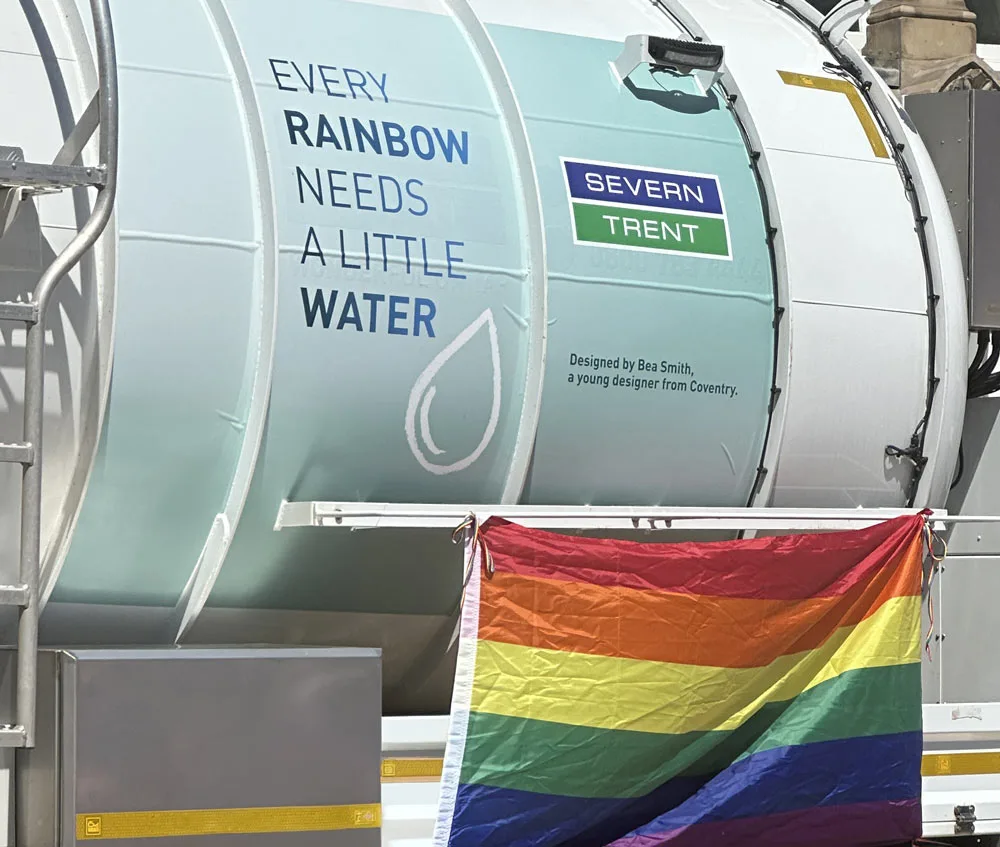
There were fewer rainbow flags in shop windows. Fewer visible campaigns. Less acknowledgement from brands that, in previous years, were loud and proud in their support.
Pride itself was not quieter. Brands were.
A quieter presence
This is not just a feeling. There is a noticeable shift happening.
We have gone from a time where Pride was highly visible across retail, marketing and social channels to one where many brands have stepped back. The rainbow logos, the shop displays, the seasonal campaigns that once dominated June now feel much less present.
Of course, some businesses are still involved. I saw that in the parade. There are still organisations showing up, engaging and supporting the community. That matters and it should be recognised.
But overall, there is a softer, more cautious visibility from brands than we have seen in recent years.
And that change raises questions.
The community hasn’t gone anywhere
Here is the thing that sometimes gets lost in conversations about Pride marketing.
The LGBTQ+ community is not a moment in the calendar.
It is part of your customer base. It is present within your workforce. It is reflected in your audience, your teams and your culture whether you actively acknowledge it or not.
I am a proud gay man. Pride is not something I switch on in June and forget about in July. It is part of who I am, every day, in every space I move through. The same is true for millions of others.
So when brands dial down their visibility, it is not just a strategic marketing adjustment. It is a signal. Whether intentional or not, it says something about who you are choosing to stand with when things become less comfortable.
Why this moment feels different
There is context to this shift.
Brands are navigating a more complex environment. There is more scrutiny. There is more risk. There is a fear of getting it wrong or being drawn into polarised debates. There is also, rightly, increasing awareness of performative marketing and the idea of saying one thing in June and doing very little the rest of the year.
In some ways, a move away from surface level gestures is a good thing. We should expect more from brands than a temporary logo change or a limited edition product.
But there is a difference between being more thoughtful and becoming less visible altogether.
And this is where I think the conversation gets interesting.
Visibility still matters
Visibility has always played an important role in Pride.
Seeing support in the real world matters. It creates a sense of belonging. It signals inclusion. It shows that people and businesses are willing to stand up and be counted.
When that visibility disappears, people notice. Especially now.
Because this is not a moment where LGBTQ+ rights feel entirely secure. There are growing pressures, debates and tensions both globally and closer to home. For many, Pride is not just a celebration. It is still a form of protest and a reminder that progress is not guaranteed.
So silence, or reduced visibility, carries more weight than it might have done a few years ago.
What brands might be forgetting
I understand why some organisations are stepping back. The world feels more complex and the stakes feel higher.
But in doing so, there is a risk that brands forget something important.
You are not stepping back from an abstract issue.
You are stepping back from people.
From your customers who choose to spend with you. From employees who contribute to your business. From communities that shape your brand.
And this is where authenticity becomes more than a marketing principle.
It becomes about consistency.
If your brand talks about inclusion, diversity and belonging, then that should not only exist when it is easy or widely celebrated. It should hold true when it requires a bit more courage.
Who do we stand up for
This is the question I keep coming back to after Pride this year.
If brands are quieter now, at a time when visibility arguably matters more, what does that say about how they show up when things become more difficult?
And it leads to a bigger thought.
LGBTQ+ rights have always been part of a wider conversation about equality and freedom. If support fades here, where else might it fade?
Who will be next?
Because at its core, this is not just about one community. It is about the idea that people should be free to live as themselves, safely and openly.
That is not something that should feel optional.
Showing up when it matters
I do not think the answer is returning to a world of surface level Pride campaigns.
We have moved past that, and rightly so.
But I do think there is a responsibility for brands to consider how they show up and what they stand for, especially in moments that feel more complex.
Authenticity is not about being perfect. It is about being consistent.
It is about recognising that your audience is diverse, your workforce is diverse, and your brand does not exist in isolation from the world around it.
Pride this year reminded me of something simple.
The community is still here. It is still vibrant. It is still strong.
The question is whether brands are prepared to stand alongside it, not just when it is easy, but when it really matters.