The silent office: why 1 in 5 colleagues prefer messaging to talking (and how we fix it)
By David Wilson, co-founder Teams Glued
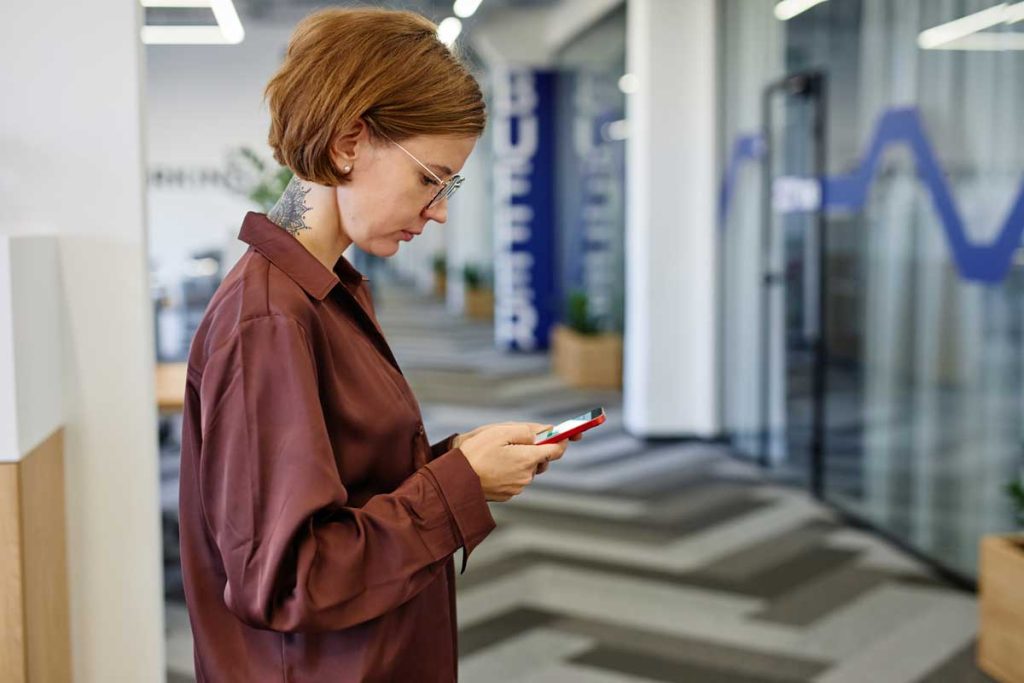
Walk into almost any modern, open-plan office today, and you will likely notice something deeply ironic. The space was designed for collaboration. The desks are shared. The breakout areas feature artisan coffee machines meaning to spark spontaneous watercooler moments. Yet, the dominant sound isn’t conversation: it’s the relentless clatter of keyboards.
Recent research has highlighted a startling reality about our modern workplace behaviours: 1 in 5 people in an office simply do not speak to each other, preferring to email or message the very colleagues sitting in the same room. We have successfully mandated the return to the office, but we seem to have forgotten how to actually interact once we are there.
As a co-founder of Teams Glued, I spend time talking to HR directors, Heads of People, and leadership coaches. They echo a similar frustration. We are physically back together, but psychologically, we are still sitting behind the safety of our screens.
The digital crutch and the fear of friction
Why do we do this? Why is it easier to ping someone on Messenger or Microsoft Teams when they are sitting a mere ten feet away?
Part of it is the lingering hangover from years of remote work. We built a muscle memory for asynchronous communication, breaking that habit takes deliberate effort. But there is a deeper, more concerning issue at play here: the digital screen has become a shield.
Messaging strips away the immediate emotional stakes of a face-to-face conversation. If you need to challenge an idea, ask a difficult question, or simply interrupt someone’s workflow, dropping a message feels less confrontational. However, this reliance on digital communication is masking unhelpful individual and team dynamics.
When we rely solely on text, we lose nuance, tone, and empathy. A quick, decisive message from a colleague who naturally leans towards a what we call a “Panther” personality profile (someone who is direct, fast-paced, and action-oriented) can easily be misread as blunt or controlling when stripped of a friendly smile. On the receiving end, a colleague with a “Koala” profile (someone who is naturally calm, considerate, and collaborative) might internalise that message as aggressive, leading to silent resentment.
Over time, this lack of genuine human interaction leads to poor communications, weak trust, and slow or even ineffective collaboration.
The hidden cost of silence
The financial and cultural toll of this silent treatment is staggering. When teams stop talking and start assuming, friction increases, decision-making is delayed, and the burden on management skyrockets.
Consider the real business costs associated with poor team dynamics:
- Is losing £1,000 per employee every year to workplace conflict an acceptable cost of doing business?
- What is the true impact of a 65-70% burnout or ‘always-on’ culture among your professionals?
- Is shedding £1,200 per employee annually to mental ill health sustainable?
When teams don’t speak, they work in silos. Misunderstandings fester. Commercial and operational progress is ultimately held back due to a dysfunctional culture. We are treating our colleagues like avatars in a chat window rather than human beings.
Why traditional interventions fall short
When HR and leadership teams recognise this disconnect, the knee-jerk reaction is usually to book an away-day or roll out a new personality profiling workshop.
Don’t get me wrong, understanding cognitive diversity through tools like DiSC or Insights is incredibly valuable. Using our behavioural preferences terminology: knowing that your “Meerkat” colleague is sociable and talkative while your “Fox” colleague is analytical, precise, and information-driven gives you a great vocabulary for team dynamics.
The problem is that traditional away-days and team building exercises often only have a temporary, cosmetic impact. Furthermore, formal classroom learning is rarely engaging or memorable enough to change ingrained habits. People nod along in the seminar, agree that they should communicate better, and then immediately return to their desks to send another email to the person sitting next to them. Theory doesn’t survive the daily grind.
Forcing the conversation with immersive practice
This exact problem is why we built Teams Glued. We realised that if you want to break the cycle of silent, screen-based working, you have to take people out of their comfort zones and put them in a situation where they rely on each other in real-time.
Teams Glued is designed to help reduce conflict, absence, and anxiety by fundamentally changing how teams communicate. We take behavioural insight and apply it to immersive, live team practice, not just theory.
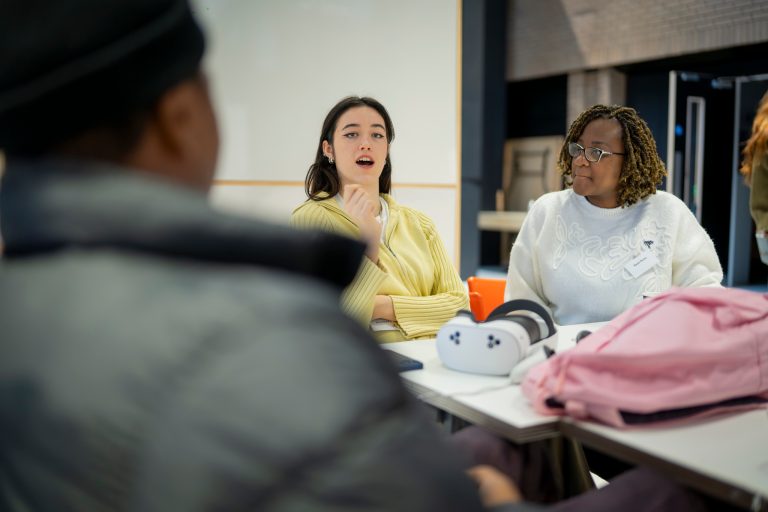
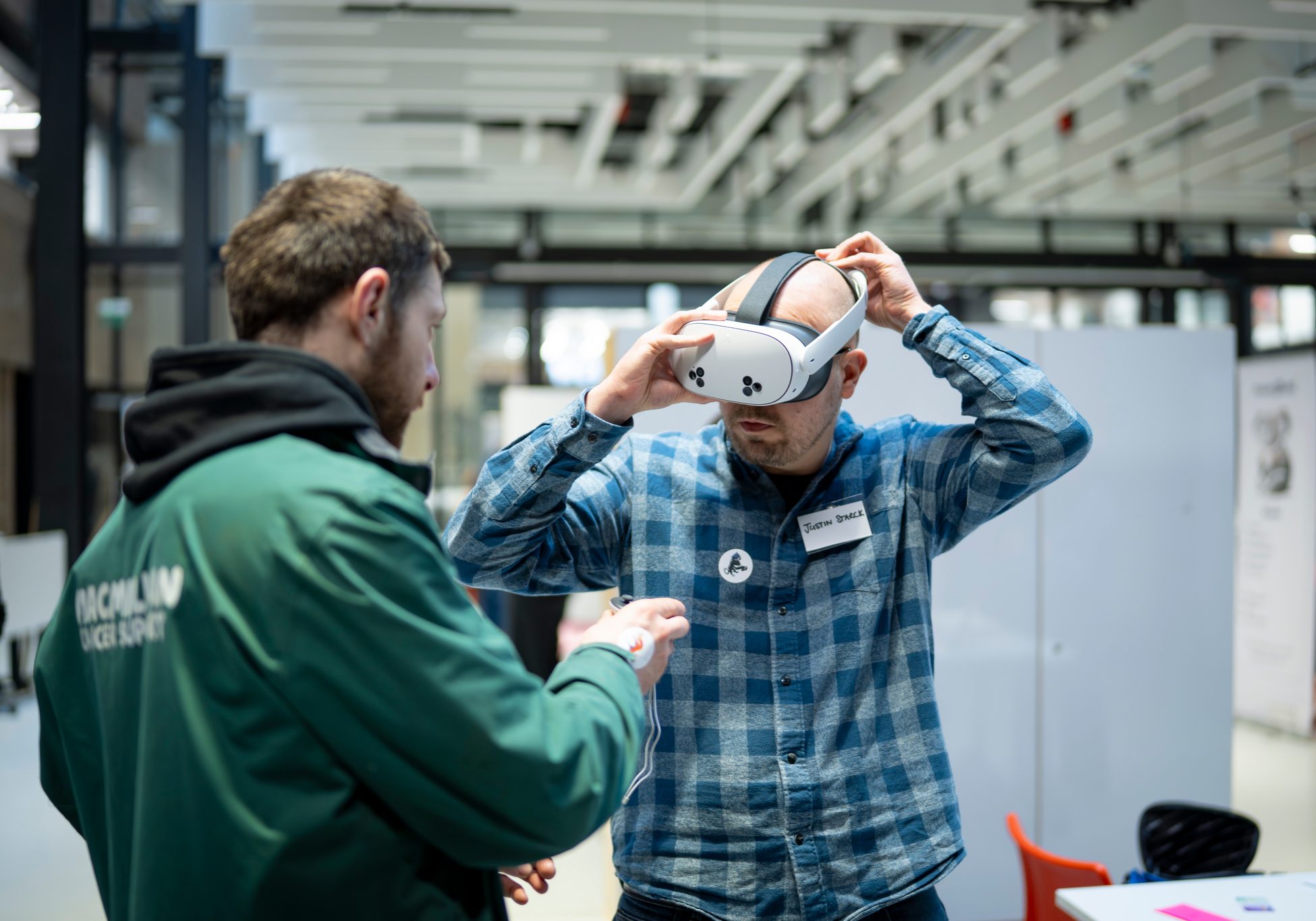
Using a Virtual Reality escape room set on a moving train, we put teams into a high-pressure environments. When one of your team is in a VR environment trying to solve a complex puzzle with a ticking clock, you cannot hide behind an email. You cannot send a Slack message. You have to open your mouth, articulate your thoughts, listen to your peers, and coordinate your actions immediately. Real clues the team are set to solve need to be read, discussed and understood. No Google search will help.
This high-pressure challenge strips away the corporate veneer and makes communication issues, unhelpful assumptions, and blind spots explicitly visible.
When teams are immersed in these challenges, something incredible happens. They start to truly understand their own behavioural preferences and, crucially, how those preferences impact others. A natural Panther learns that they need to slow down and listen to the Fox’s detailed analysis to solve the puzzle. The Meerkat learns to focus their enthusiasm, while the Koala learns the value of speaking up decisively.
Through these series of challenges, participants trial new behaviours in a psychologically safe space. They aren’t just learning about communication; they are building the muscle memory for it.
Reconnecting the workplace
Organisations today are under immense pressure to improve performance, engagement, retention, and leadership capability. In an era of hybrid working and cross-functional complexity, poor communication is more disruptive and costly than ever before.
When teams actually speak to each other, when they trust each other enough to have a face-to-face conversation instead of hiding behind a screen; execution improves, change happens faster, and customers feel the difference. Conversely, when they remain glued to their screens, leadership time is continuously lost to avoidable internal friction and stalled progress.
We need to stop accepting the silent office as the new normal. We should give our people the tools for better leadership, active team participation, and conflict reduction.
It’s time to escape the ordinary. Let’s close the laptops, put down the phones, and start talking to each other again.
David Wilson is the co-founder of Glued. Teams Glued helps organisations turn individual and team development into a practical business performance tool, using VR and behavioural insights to create more dynamic teams.